Pre-Purchase Assessments That Reveal System Condition
HVAC Inspections in Huntsville for home buyers, sellers preparing listings, and real estate agents coordinating property transfers
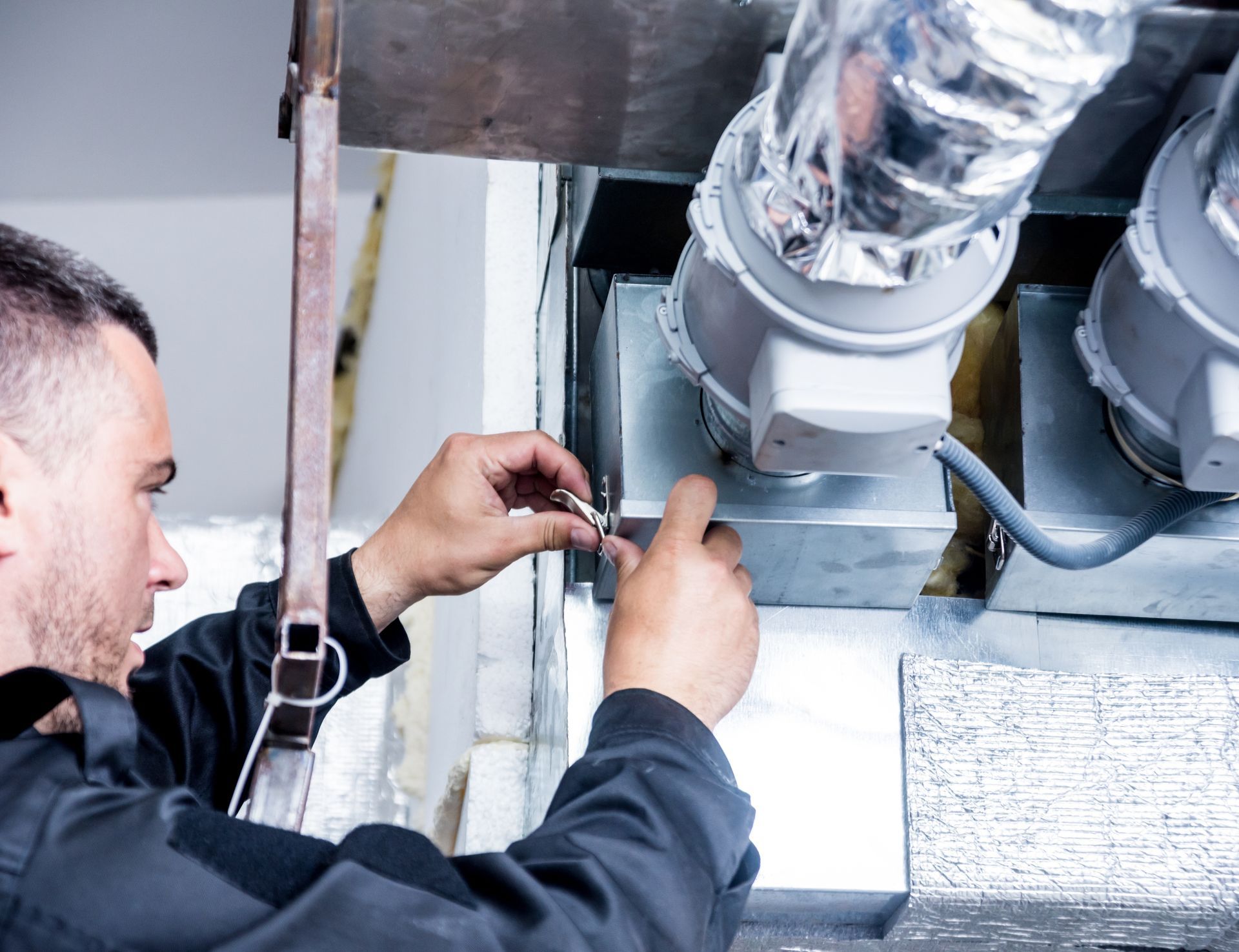
Real estate agents need HVAC inspections before clients buy or sell homes. You need this service when a buyer wants confirmation that the system operates correctly, when a seller wants documentation before listing, or when a home inspector has flagged potential issues that require specialist evaluation. Maximum Comfort Heating & Air LLC provides two inspection types in Huntsville: basic assessments that confirm the system runs within normal parameters, and comprehensive reports that document component condition, remaining lifespan, and anticipated maintenance needs.
Basic inspections attach gauges to the system, verify refrigerant pressures fall within manufacturer specifications, check electrical voltages to the compressor and blower motor, and listen for abnormal sounds that indicate failing components. This level identifies major problems such as weak compressor signals, refrigerant leaks, or failed capacitors. The inspection provides buyers with confidence that the system functions at the time of purchase, or alerts them to failures that require negotiation before closing.
Schedule an inspection during the due diligence period to identify system condition before finalizing the purchase agreement.
What Each Inspection Level Reveals About System Health
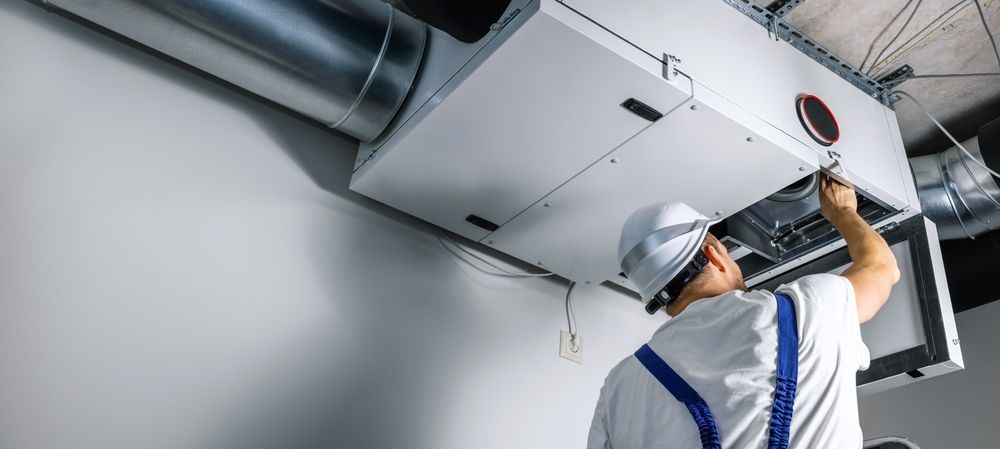
Basic inspections focus on operational status at the time of the visit. The technician runs the system through a full cooling and heating cycle, measures temperature differential across the coil, and confirms that components start and stop correctly. Refrigerant pressure readings indicate whether the system holds a full charge or has developed a leak. Voltage measurements show whether the compressor draws appropriate current or exhibits signs of electrical failure. Visual inspection identifies rust, corrosion, or physical damage to components.
After a basic inspection, you receive confirmation that the system operates correctly or documentation of specific failures that need repair. Buyers use this information to request repairs from the seller or adjust their offer to account for needed work. Deeper inspections produce comprehensive reports that detail component age, condition ratings for each major part, estimated remaining lifespan, and prioritized maintenance recommendations. These reports frequently convert into maintenance agreements when buyers close on the property, establishing a service relationship that continues beyond the inspection.
Comprehensive inspections take longer and involve testing under load conditions, inspecting ductwork for leaks and damage, evaluating insulation levels, and checking drain line function. The report includes photographs of components showing wear patterns, rust, or damage. This documentation helps buyers understand what maintenance to expect in the first few years and whether replacement is likely within a specific timeframe.
What Real Estate Clients Ask About HVAC Inspections
Inspection questions focus on what can be determined during a single visit and how findings affect purchase decisions. These answers clarify what inspections reveal and what limitations apply.
What can an inspection reveal about remaining system lifespan?
Inspections identify the age of the equipment, visible wear on components, and operational indicators such as compressor amp draw and refrigerant pressures. A system may be twelve years old but show minimal wear, or it may be eight years old with significant component degradation. Inspections provide educated estimates based on current condition, but they cannot predict exact failure dates.
How do you determine if a compressor is weakening before it fails completely?
Weak compressor signals include higher than normal amp draw, lower than expected discharge pressure, longer run times to reach set temperature, and inconsistent cooling performance. In Huntsville, a weakening compressor may cool adequately during morning hours but struggle during peak afternoon heat when demand is highest. These patterns indicate the compressor is approaching end of life even if it has not completely failed.
What happens during the inspection visit and how long does it take?
Basic inspections typically require forty-five minutes to an hour. The technician attaches gauges, runs the system through a full cycle, measures voltages and pressures, inspects visible components, and documents findings. Comprehensive inspections take two hours or more and include ductwork evaluation, detailed component photography, and written reports with maintenance priorities.
Can an inspection guarantee the system will not fail after purchase?
Inspections assess current condition and operational status at the time of the visit. They identify existing failures and components showing wear, but they cannot predict sudden failures of parts that appear functional during testing. Inspections reduce risk by revealing known issues, but they do not eliminate the possibility of post-purchase repairs.
Why do many inspections lead to maintenance agreements after closing?
Buyers who receive comprehensive reports understand the system's maintenance needs and remaining lifespan. Establishing a maintenance relationship with the inspector provides continuity and builds trust that the technician will prioritize repairs over unnecessary replacement. Maximum Comfort Heating & Air LLC approaches inspections with the intent to provide accurate information rather than generate immediate replacement sales.
Maximum Comfort Heating & Air LLC works with real estate agents and home buyers to provide honest assessments of HVAC system condition during property transfers. Request an inspection during the due diligence period to document system status and identify any issues that require attention before closing.