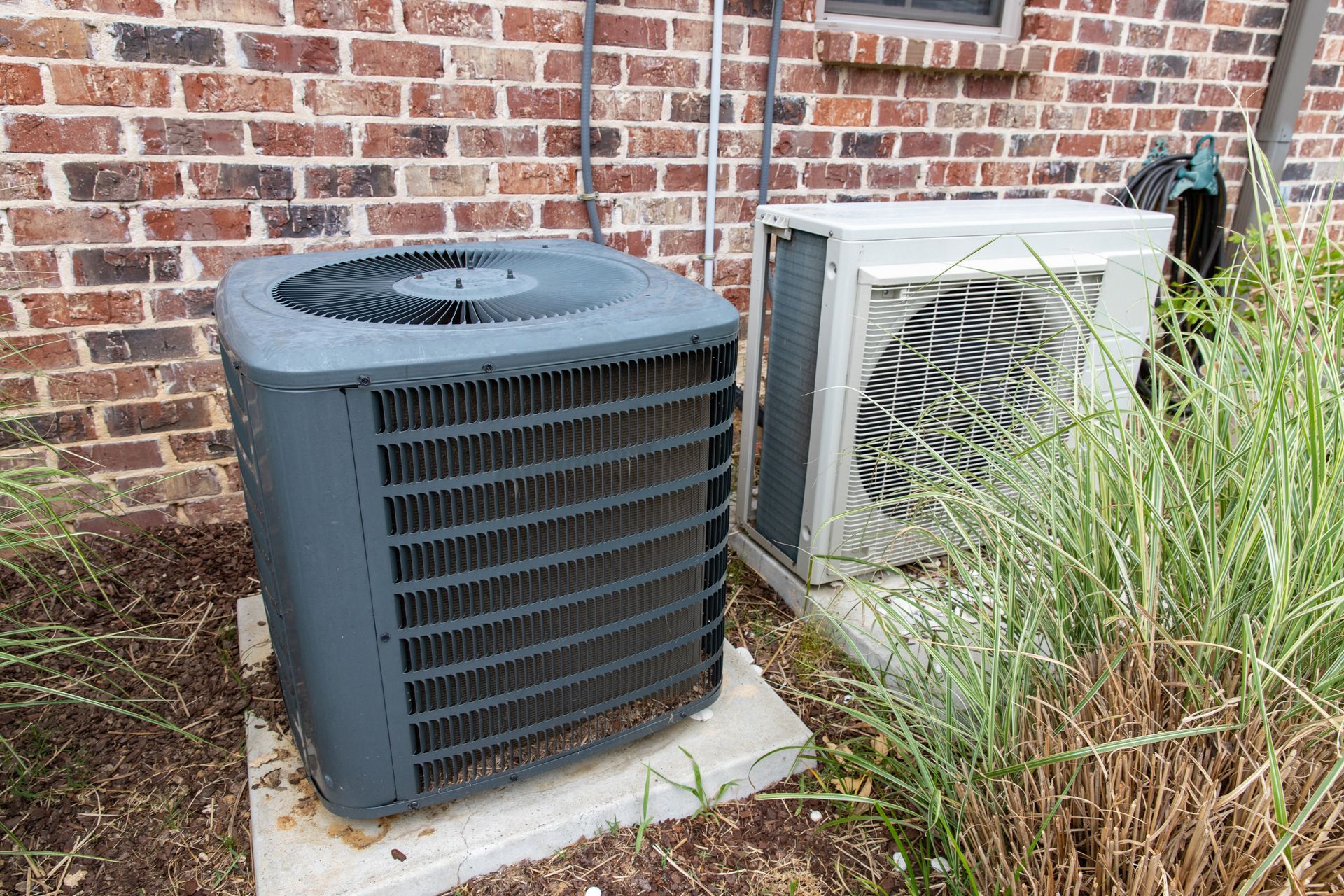
Components Placed Where They Work Best
Split Systems in Madison for homes that benefit from separating indoor and outdoor HVAC components
A split system divides the heating and cooling equipment between an outdoor compressor unit and an indoor air handler or coil, connected by refrigerant lines that run through the wall. This configuration allows the noisy compressor to sit outside while the quieter air handler operates inside a closet, attic, or basement. Maximum Comfort Heating & Air LLC installs split systems in Madison for homeowners who want flexibility in equipment placement or need to condition spaces where a packaged unit's outdoor footprint wouldn't fit.
The outdoor unit houses the compressor and condenser coil, while the indoor unit contains the evaporator coil and blower. Refrigerant circulates between the two components, absorbing heat from indoor air during cooling mode and releasing it outside, then reversing the process during heating mode if the system is a heat pump. Split systems can also use wall-mounted, floor-mounted, or ceiling-mounted heads instead of ductwork, making them ideal for sunrooms, garages, or home additions where running ducts isn't practical.
Request a detailed estimate based on your home's layout and existing ductwork condition.
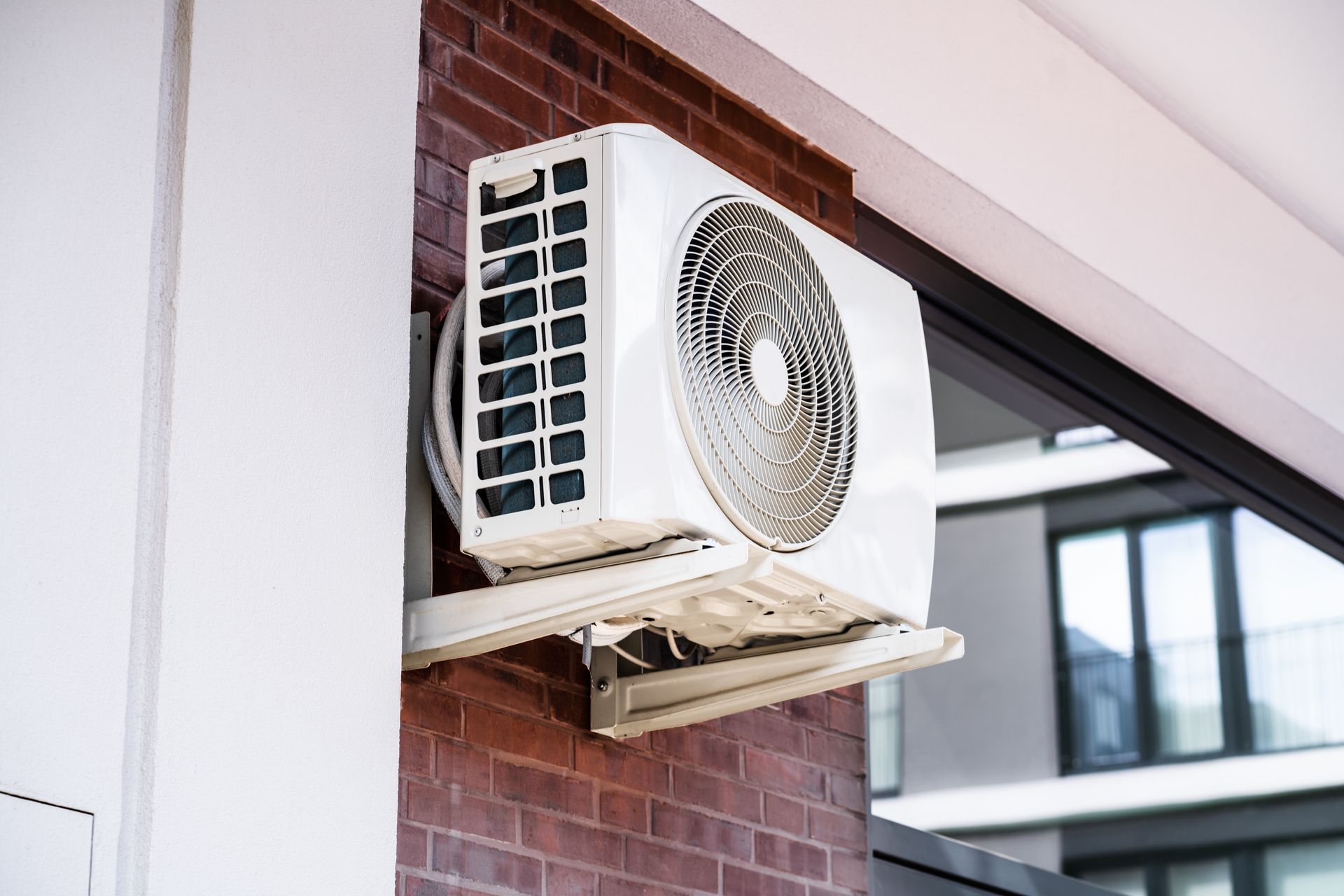
What You Notice Once Split System Installation Is Finished
The indoor air handler delivers conditioned air through existing ductwork or directly from wall-mounted heads, depending on the configuration. If you're using ductless heads, each unit operates independently with its own thermostat, so you can set different temperatures in different zones. The refrigerant lines are insulated and concealed within walls or run along exterior surfaces, minimizing visual impact.
After the system starts operating, you'll notice quieter indoor operation because the compressor and fan motor that generate the most noise remain outside. Rooms that previously felt disconnected from your home's climate control now maintain consistent temperatures without the need for space heaters or window units. Maximum Comfort Heating & Air LLC handles warranty service for all makes and models, so if a component fails within the coverage period, repairs are coordinated with the manufacturer to minimize delays and costs.
Split systems with ductless heads earn high efficiency ratings because they avoid the energy losses associated with leaky or poorly insulated ductwork. Each indoor head includes a filter that requires monthly cleaning during heavy-use seasons, and the outdoor unit needs annual maintenance to clear debris from the coil and inspect electrical connections.
Questions Before Starting Your Project
Homeowners considering a split system installation often ask about placement options, efficiency differences, and long-term maintenance.
Where does the indoor air handler get installed?
Common locations include utility closets, attics, basements, or garages, depending on available space and proximity to the areas being conditioned.
How do ductless split systems compare to traditional ducted systems?
Ductless configurations avoid the fifteen to thirty percent efficiency loss that occurs in leaky or uninsulated ductwork, making them particularly cost-effective for additions or renovations.
What's involved in running refrigerant lines between units?
The installer drills a small hole through the exterior wall, runs insulated copper lines between the indoor and outdoor units, and seals the penetration to prevent air leaks and moisture intrusion.
How does Madison's climate affect split system performance?
Heat pump split systems operate efficiently during most of the heating season, though performance drops when outdoor temperatures fall below freezing and supplemental heat activates.
What size outdoor unit do I need for multiple indoor heads?
The outdoor compressor must have enough capacity to handle the combined BTU load of all connected indoor heads, with sizing calculations based on square footage, insulation quality, and window area.
Maximum Comfort Heating & Air LLC evaluates your home's heating and cooling requirements, existing infrastructure, and budget to recommend whether a ducted or ductless split system makes the most sense. Arrange an on-site consultation to review placement options and confirm system sizing for your specific property.